
 Discord
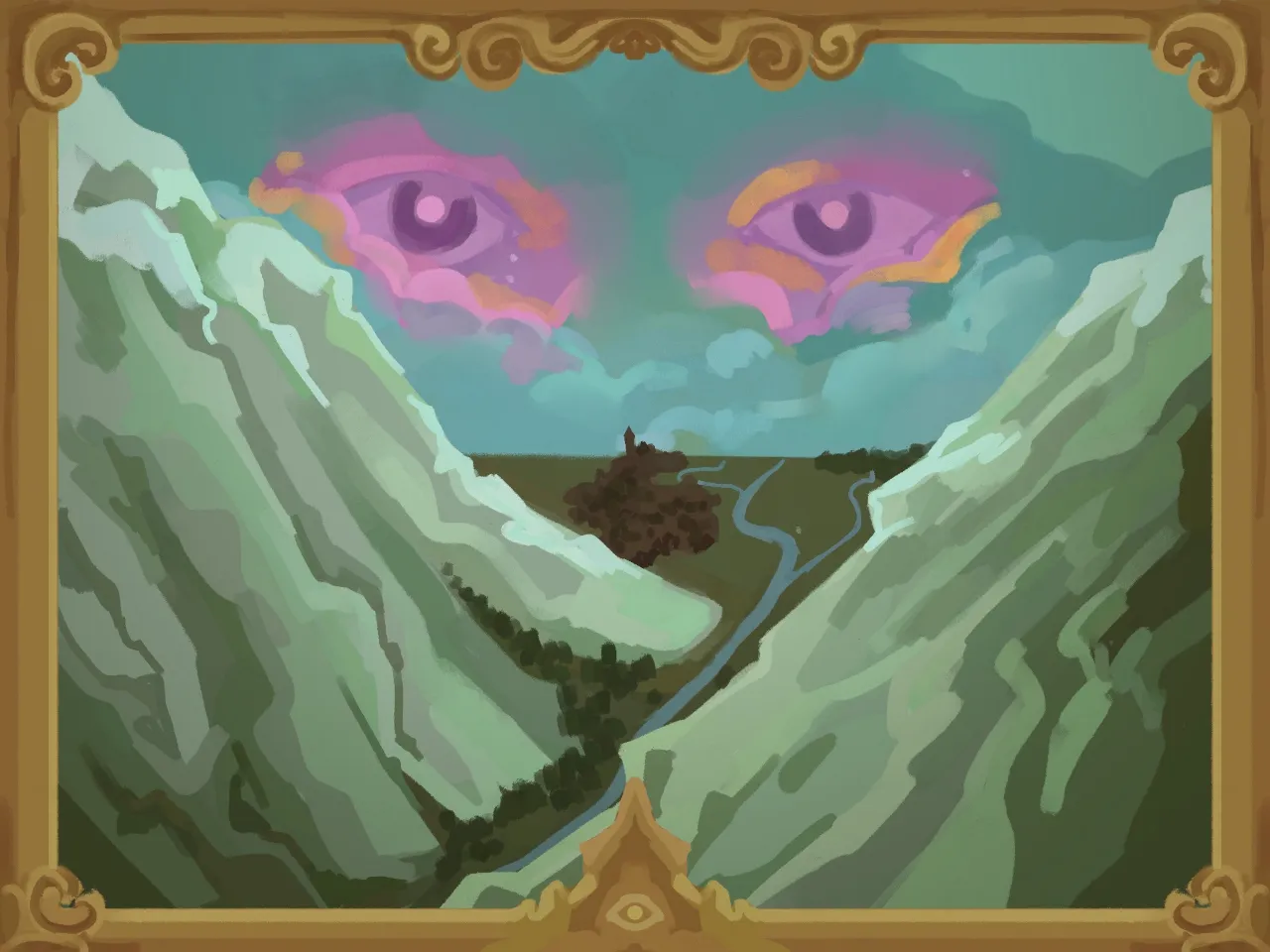
In the days that followed the gods' ascension to the divine realm, the mortal world began to slowly heal. The scars of war, though deep, were not beyond repair. Without the gods' direct interference, the land flourished again under the care of those who had always cherished it most: the mortals.
Selene unknowingly embraced her identity as Varyssa’s avatar, roaming the lands to quietly guide the healing process. She worked alongside mortals, sharing knowledge and wisdom imparted to her secretly by Varyssa. Under her watchful eye, communities rebuilt their homes, and nature reclaimed the lands ravaged by conflict.
In the divine realm, the gods adjusted to their new existence. Though they could no longer walk amongst mortals, they found solace in their avatars, through whom they could still influence the world indirectly. This new order brought a semblance of peace among the gods, as they could now focus on their domains without the threat of direct conflict.
Lustra, now free from the constant battle with her sister, dedicated herself to creating balance and harmony. She used her influence to ensure that the avatars acted with fairness and justice, maintaining the delicate equilibrium that kept the mortal world thriving.
Sakassen, ever the trickster, found new ways to amuse himself. Whenever cracks in the gate appeared, he seized the opportunity to sneak his abominations into the other side, relishing the chaos they caused as they multiplied in their new surroundings. He no longer required Isaris' power to fortify his perversions. Instead, he siphoned energy from the other side of the gate, harnessing it to strengthen his creations.
Isaris, though still the goddess of death, found a new way to harness the souls lost in battle. To counterbalance the massive influx of souls and level out her powers, she created new cities of Daemons from the lost souls of those who never fully made it down the icy river of the underworld. Isaris remained the strategist, planning how her mortal chess pieces could incite future wars when it suited her purposes.
Among the gods, there remained a quiet reverence for Gadolc. His sacrifice had ensured their survival and the continuation of the mortal world. In his honor, a sacred grove was established under the cosmos, reflecting his fascination with realms beyond the mortal and godly domains. This grove became a place where the gods could reflect on the past and find inspiration for the future.
Varyssa, now without her closest companion, often visited this grove. She found solace in the memories of Gadolc and the dreams they had shared. Though she continued to guide the mortals through her avatar, her thoughts often drifted to the possibilities of what could be, always dreaming of a better future for all.
As time passed, gods and mortals alike adapted to their new realities. Once torn apart by divine conflict, the world began to flourish in ways previously unimaginable ways. The lessons learned from the past served as a guiding light, ensuring that both realms remained in harmony.
The gods, through their avatars, continued to watch over the mortal world, their presence felt but not seen. Each god used their avatar for their own bidding, creating a complex and ever-changing tapestry of influence. This intricate dance of divine influence turned the mortal world into a stage for a godly soap opera, where the gods' whims played out in the lives of men, each action a move in their eternal game.
As generations passed, mortals grew accustomed to a world without gods walking among them. Among the more ancient races like Elves and Nymphs, the elders remembered the days when gods roamed the earth, their presence undeniable and awe-inspiring. These elders passed down stories of divine encounters, ensuring their descendants knew the truth of the gods’ existence. However, with their shorter lifespans and need for tangible evidence, humans began to question the very existence of the divine. Doubts crept into their hearts, and tales of gods became legends and myths, their reality blurred by the passage of time.
Yet, regardless of mortal belief or skepticism, the gods continued to watch. With each generation, they created new avatars, weaving their influence subtly into the fabric of mortal life. Though unseen and often unacknowledged, the gods remained ever-present, shaping the world from the shadows and ensuring the balance between realms endured.
And so, under the clear skies and the gentle whispers of the divine, the world moved forward, forever changed by the sacrifices and wisdom of those who had come before. The gods' legacy lived on, hidden in plain sight, a testament to their enduring power in their Divine Folly, and the intricate dance of fate that bound all realms together.
 Previous chapter