
 Discord
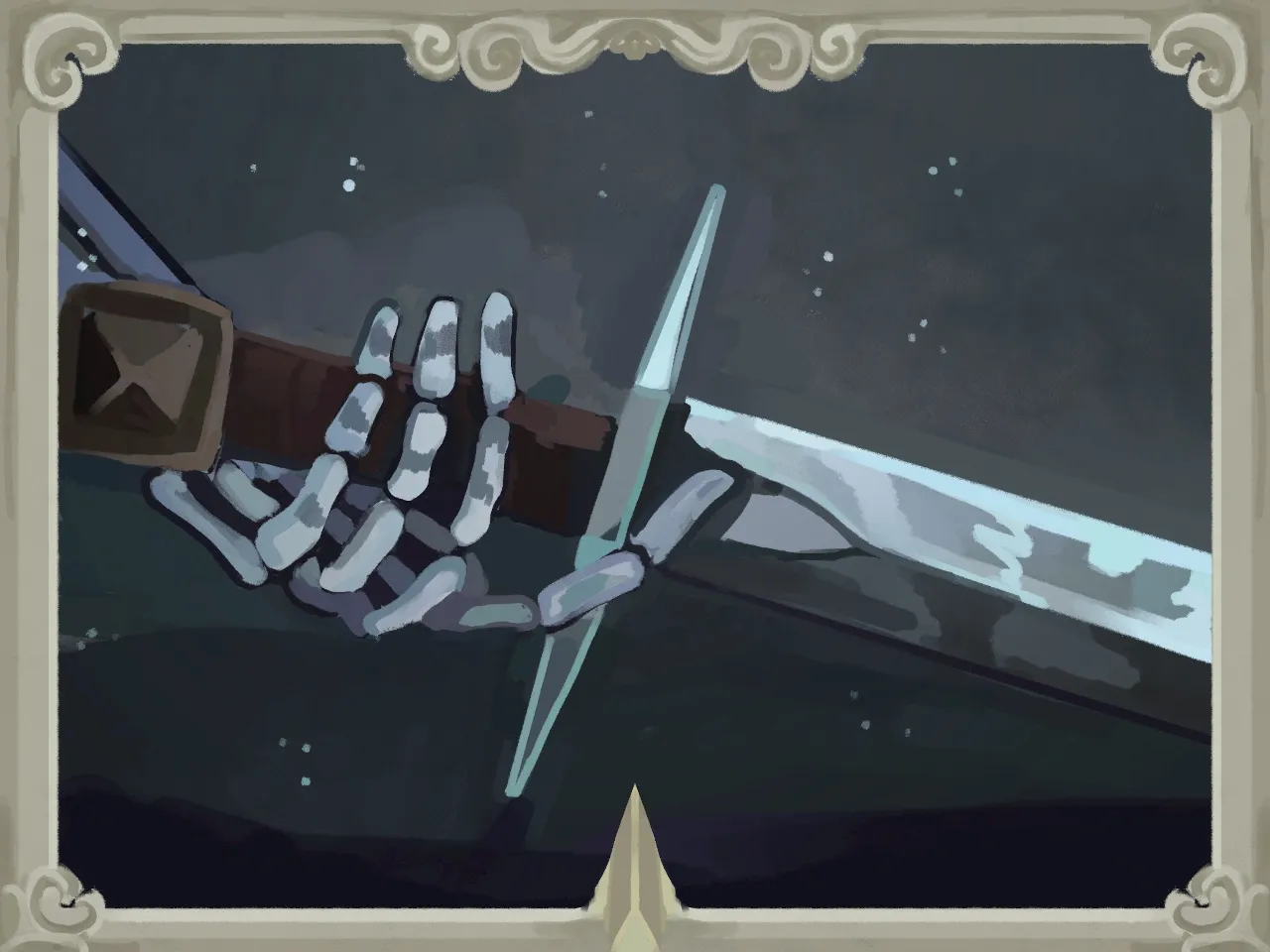
There was no question now about the order that was to be established. The gods were afraid. They had managed to seal away the monsters, but with Gadolc gone, the gate was prone to cracks. Monsters would surely spill through once more. They had watched a god die, something none had thought possible. It was time to ascend to the safety of the divine realm.
It was Fisa who announced the plan, as Varyssa slipped quickly back into the shadows. She explained the power of the avatars, how the gods would keep their influence over the mortal realm through indirect means. As anticipated, many of the gods were hesitant, or downright aghast, of this plan and the limitations it would force upon themselves.
“We are too powerful, too volatile. The forests will still be yours, Ferona,” she said, turning to the goddess, “and think about how they will flourish without our destruction.” The goddess of nature nodded, finally giving Fisa’s words the regard they deserved.
One by one, Fisa convinced her divine kin to accept the new terms. Sakassen, the last to yield, found himself cornered by the ire of the other gods, who held him accountable for Gadolc's demise. Reluctantly, he acquiesced, recognizing that to retain any influence within the celestial hierarchy, he must feign camaraderie and cooperation. Yet, beneath his hood, a devilish smile crept across his face. In the guise of an avatar, he saw endless opportunities to weave his chaotic threads, and a new scheme began to take shape in his mind.
So the gods ascended. The divine realm shone above them, like a home that had gleefully awaited their return. As they rose above, they anchored themselves to the first set of avatars and were assured of their connection to the earth. One by one, the gods departed.
Varyssa was the last to go. Her avatar had remained on the battlefield, sword stained in blood. The dead god lay beside her.
“You did well,” said Varyssa.
“It is strange. I know we are not the same, but when I look upon you, it is like seeing my own reflection. I am forgetting myself,” said the avatar. She was a woman named Selene. Varyssa knelt by Gadolc’s body. She pulled back his cloak. All that remained was a petrified skeleton.
“Help me with this,” said Varyssa. She raised her arms to chant, and Selene mimicked her. They siphoned the soil from a patch of ground, digging a grave. Varyssa picked up her fallen friend, despairing at how frail he felt. She was careful not to damage any of his bones. They did not mark the grave; no mortals would find him. Gadolc would rest in peace.
“You will forget me when I go,” said Varyssa, “That will make things easier for you. Though I will be with you, you will know yourself as Selene.”
“Thank you,” said Selene.
Varyssa looked to the sky, and with a deep exhale of intention, the goddess left this world behind.
And so, under the clear skies and the gentle whispers of the divine, the world moved forward, forever changed by the sacrifices and wisdom of those who had come before. The gods' legacy lived on, hidden in plain sight as a testament to their enduring power and the intricate dance of fate that bound all realms together.
The gods, for the first time, were learning to grieve. The loss of Gadolc had left a void that no divine being had ever experienced. Their immortal lives, once thought impervious to true sorrow, were now tinged with the bitter taste of loss. As they grappled with their newfound grief, they also faced the stark reality of their actions. Their petty squabbles and unchecked pride had nearly destroyed the world they were meant to protect, and they paid the price with their diminished powers.
This realization of their own godly "mortality" weighed heavily on them. The gravity of the situation was not lost on the divine beings, who now understood that their actions had tangible consequences. Although many remained deeply disappointed in Sakassen and Isaris' reckless plan, this newfound awareness of vulnerability worked in favor of the two gods. The collective exhaustion and the pressing need to aid in the mortal world's rebuilding led to a quick forgiveness and a mere slap on the wrist, rather than the severe punishment they might have otherwise faced.
Now, with their direct influence significantly curtailed, the gods found themselves in a new role. They had to guide the mortals in rebuilding their world, a task that demanded patience and subtlety. The process would take significantly more time and effort, given their limited ability to intervene directly. Yet, even in their weariness, there was a renewed sense of purpose. They had learned from their mistakes, and the bonds forged in the fires of conflict would guide them in creating a future where mortals and gods could coexist in harmony, each learning from the other. At least, that was the outward narrative…
 Previous chapter